
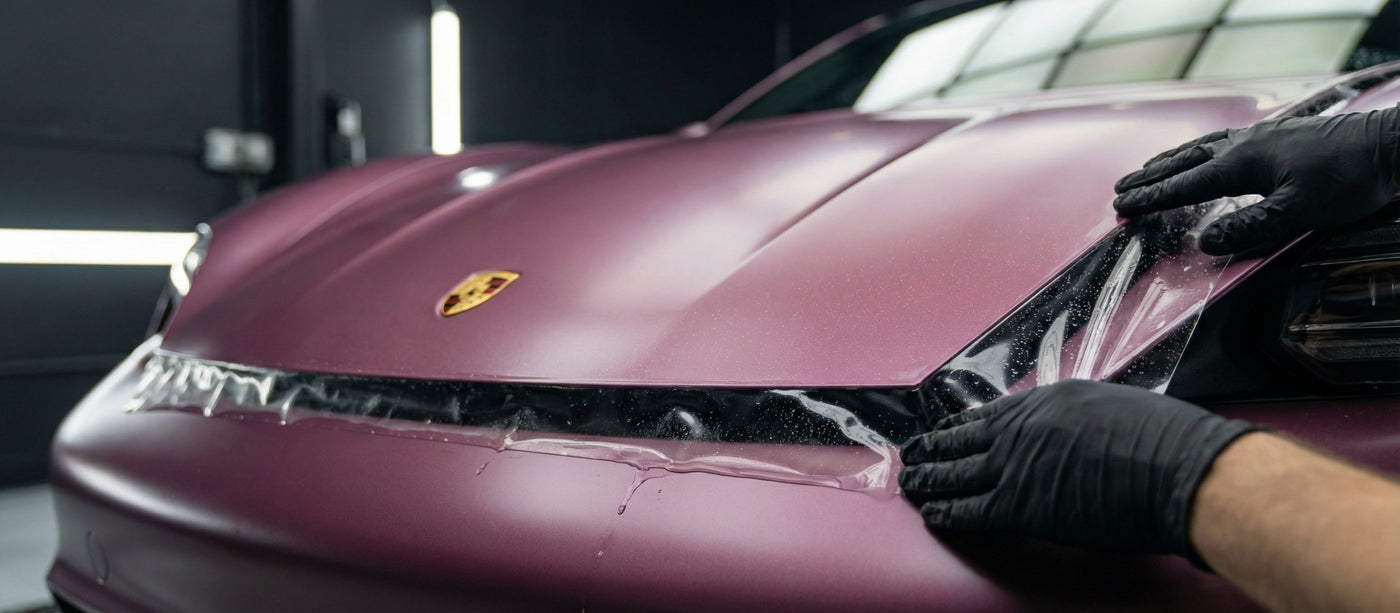
Základné inštalačné prvky
Potrebné nástroje a materiály
Správna inštalácia ochrannej fólie na lak Nexthor™ vyžaduje profesionálne nástroje a čisté prípravné materiály na zabezpečenie bezchybnej priľnavosti, optickej čistoty a dlhodobej odolnosti. Použitie správneho vybavenia zabraňuje kontaminácii, chybám v zarovnaní a chybám pri inštalácii.

pH neutrálny autošampón
Bezpečne odstraňuje nečistoty, oleje a kontamináciu bez poškodenia povrchu laku.

Vedro so separátormi nečistôt
Zabraňuje recirkulácii nečistôt a znižuje riziko poškriabania počas umývania.

Mikrovláknová umývacia rukavica
Jemne čistí povrch laku bez poškriabania, vďaka ultra mäkkým mikrovláknovým vláknam.

Hlina na čistenie laku
Odstraňuje usadené nečistoty, ktoré nemožno odstrániť bežným umývaním.

Hlina Mazivo
Zaisťuje mazanie na bezpečné kĺzanie hliny a zabraňuje poškodeniu povrchu alebo jemným škrabancom.

Odstraňovač lepidla
Bezpečne rozpúšťa zvyšky lepidla, dechtu, mastnoty a odolných povrchových nečistôt.

Izopropylalkohol (IPA)
Odstraňuje oleje a zvyšky, aby sa zabezpečila správna priľnavosť filmu k povrchu.

IPA Rozprašovacia Fľaša
Nanáša alkoholový roztok rovnomerne pre kontrolovanú a účinnú prípravu povrchu.

Uteráky z mikrovlákna
Bezpečne suší a čistí povrch bez zanechania chĺpkov, šmúh alebo škrabancov.

Elektrický vzduchový fukár
Odstraňuje prach a vodu zo škár, okrajov a ťažko dostupných miest.

Kontrolné svetlo
Odhaľuje prach, zvyšky a nedokonalosti pred a počas inštalácie fólie.

Destilovaná voda
Zabraňuje minerálnej kontaminácii pri príprave roztoku na inštaláciu.

Detský šampón
Vytvára kĺzny roztok umožňujúci presné polohovanie a kontrolované zarovnanie fólie.

Fľaštička s rozprašovačom roztoku Slip Solution
Rovnomerne nanáša klzný roztok na zabezpečenie správneho umiestnenia a kontroly inštalácie.

Inštalačné rukavice
Zabraňuje odtlačkom prstov a kontaminácii pri manipulácii a polohovaní filmu.

Pozičné magnety filmu
Dočasne upevňuje fóliu, aby pomohla s presným zarovnaním na panely počas inštalácie.

Stierka na PPF
Odstraňuje roztok na kĺzanie a aktivuje lepidlo pre správne priľnutie fólie.

Stierka s rukoväťou
Zaisťuje konzistentný tlak na veľké plochy pre rovnomernú priľnavosť filmu.

Nástroj Chizler Edge
Prístup do stiesnených priestorov a pomoc pri presnom polohovaní a čistení okrajov.

Precízne vatové tyčinky
Čistí malé plochy a pripravuje okraje pre optimálny výkon lepidla.

Základný náter na priľnavosť hrán
Spoľahlivo zlepšuje priľnavosť fólie na okrajoch, krivkách a miestach s vysokým namáhaním.

Precízny rezací nôž
Umožňuje presné orezávanie a zaisťuje čisté, profesionálne výsledky inštalácie.

Profesionálna teplovzdušná pištoľ
Aktivuje lepivú pamäť a zaisťuje pevné priľnutie fólie k povrchom.

Profesionálna brašňa na náradie
Organizujte a chráňte inštalačné nástroje na efektívnu a bezpečnú prepravu.

1
Príprava povrchu
1. Dôkladne umyte vozidlo
2. V prípade potreby odstráňte nečistoty pomocou hliny clay bar
3. Povrch očistite roztokom izopropylalkoholu
4. Uistite sa, že je povrch úplne čistý
5. Pred inštaláciou sa uistite, že je povrch suchý
Povrch musí byť:
- čistý
- suchý
- bezprašný

2
Príprava roztoku na šmyk
Odporúčaná receptúra:
– 1 liter destilovanej vody
– 2–4 kvapky detského šampónu Johnson’s® Baby Shampoo alebo ekvivalentného čistého detského šampónu
Jemne premiešajte. Netraste agresívne, pretože nadmerná pena môže prekážať správnemu umiestneniu a priľnavosti fólie.
Poskytuje:
– kontrolovaný sklz počas umiestňovania
– presné zarovnanie fólie
– správnu aktiváciu lepidla
Vyhnite sa šampónom obsahujúcim kondicionéry, vosky alebo oleje, pretože tie môžu negatívne ovplyvniť priľnavosť.

3
Žiadosť o PPF
1. Nastriekajte roztok na povrch
2. Nastriekajte roztok na lepiacu stranu fólie
3. Opatrne umiestnite fóliu
4. Precízne zarovnajte fóliu
5. Použite stierku od stredu smerom von
Odstráňte všetku tekutinu a vzduch

4
Zabezpečenie okrajov a konečná priľnavosť
- Okraje bezpečne pritlačte silným tlakom
- Ak je potrebné, použite teplovzdušnú pištoľ na krivky
- Zabezpečte úplnú priľnavosť
- Vyhnite sa prehrievaniu

5
Proces vytvrdzovania
Počiatočné vytvrdzovanie: 24 hodín
Úplné vytvrdzovanie: 7–30 dní
Počas vytvrdzovania:
• 48 hodín neumývajte vozidlo
• 7 dní sa vyhnite tlakovému umývaniu
Môžu sa dočasne objaviť menšie vlhkostné bublinky.
1. Príprava povrchu
2. Príprava roztoku na zlepšenie kĺzavosti
3. Aplikácia PPF
4. Zaistenie hrán a priľnavosť
5. Proces vytvrdzovania
Údržba a starostlivosť
Odporúčaná starostlivosť zahŕňa pravidelné umývanie pomocou šampónu s neutrálnym pH a vyhýbanie sa abrazívnym materiálom a agresívnym chemikáliám, ktoré by mohli poškodiť povrch fólie. Fólia Nexthor™ PPF má pokročilé samoopravné vlastnosti, ktoré sa aktivujú teplom, čo umožňuje prirodzenú regeneráciu menších povrchových poškodení. Pre optimálny výkon a dlhodobú životnosť sa odporúča profesionálna inštalácia, najmä na komplexných paneloch a zakrivených povrchoch.


Často kladené otázky
Nájdite odpovede na najčastejšie otázky o príprave, inštalácii a údržbe ochrannej fólie Nexthor™ Paint Protection Film. Tieto pokyny pomôžu zabezpečiť správnu inštaláciu, maximálnu ochranu a dlhodobý výkon, za ktorým stoja konštrukčné a záručné štandardy Nexthor™.
Príprava a prostredie
Inštalácia a aplikácia
Starostlivosť po ošetrení a odstránenie
Aká teplota je potrebná na inštaláciu fólie Nexthor™ PPF?
Odporúčaná teplota inštalácie je 15–30 °C. Nižšie teploty znižujú aktiváciu lepidla, zatiaľ čo nadmerné teplo urýchľuje schnutie a sťažuje polohovanie.
Je potrebné opraviť kamienkové odštiepky alebo poškodenia laku pred inštaláciou ochrannej fólie Nexthor™ PPF?
Áno. Pred inštaláciou by sa mali opraviť odštiepené kúsky laku, škrabance a obnažený kov. PPF zachováva existujúci stav laku a nezakrýva poškodenie, takže správne opravy alebo prelakovanie zabezpečia najlepší vizuálny výsledok a dlhodobú ochranu.
Môže sa fólia Nexthor™ PPF inštalovať v exteriéri?
Dôrazne sa odporúča inštalácia v interiéri. Prach, vietor a slnečné svetlo zvyšujú riziko kontaminácie a znižujú kvalitu inštalácie.
Musím vozidlo vyleštiť pred inštaláciou PPF?
Oprava laku sa odporúča, ak sú prítomné defekty. PPF zachováva existujúci stav laku a nezakrýva škrabance ani stopy po vírení.
Dá sa PPF inštalovať na čerstvo prelakované povrchy?
Nie. Čerstvý náter musí plne vyzrieť najmenej 30 dní pred inštaláciou PPF, aby sa zabezpečila správna priľnavosť.
Aký čistý musí byť povrch pred inštaláciou?
Povrch musí byť úplne bez nečistôt, olejov, vosku a zvyškov. Dokonca aj mikroskopická kontaminácia môže ovplyvniť priľnavosť a vizuálnu čistotu.
Čo je slip solution a prečo sa používa?
Kĺzny roztok dočasne neutralizuje lepidlo, čo umožňuje presné umiestnenie fólie pred konečnou priľnavosťou.
Na čo sa používa roztok IPA počas inštalácie?
Roztok IPA odstraňuje zvyšky pošmyknutia a aktivuje lepenie v kritických oblastiach, ako sú okraje a rohy.
Môže sa fólia Nexthor™ PPF preinštalovať počas inštalácie?
Áno. Pokiaľ je prítomný roztok na kĺzanie, fólia sa dá bezpečne premiestniť. Akonáhle sa aplikuje a stiahne izopropylalkohol, premiestňovanie je obmedzené.
Potrebujem teplo počas inštalácie?
Teplo zlepšuje flexibilitu fólie a umožňuje správne prispôsobenie sa krivkám, hranám a komplexným povrchom.
Je potrebný okrajový základný náter?
Základný náter na hrany sa odporúča pre oblasti s vysokým namáhaním, agresívne krivky a exponované hrany, aby sa zabezpečila maximálna priľnavosť.
Ako dlho trvá inštalácia?
Čiastočné inštalácie trvajú 1 – 3 hodiny. Kompletné inštalácie vozidla si zvyčajne vyžadujú 1 – 2 dni v závislosti od zložitosti.
Ako dlho trvá, kým sa fólia Nexthor™ PPF úplne vytvrdí?
Počiatočná väzba nastáva okamžite, ale úplné vytvrdnutie lepidla zvyčajne trvá 24 hodín.
Kedy je možné vozidlo umývať po inštalácii?
Počkajte aspoň 24 hodín pred umývaním vozidla, aby sa zabezpečilo správne spojenie lepidla.
Samolieči sa Nexthor™ PPF?
Áno. Drobné povrchové stopy zmiznú, keď sú vystavené teplu, ako je slnečné svetlo alebo teplá voda.
Ako dlho vydrží fólia Nexthor™ PPF?
Pri správnej starostlivosti poskytuje Nexthor™ PPF dlhodobú ochranu a zachováva optickú čistotu po mnoho rokov. Na fóliu Nexthor™ PPF sa vzťahuje 10-ročná záruka, ktorá zaručuje spoľahlivý výkon, trvácnosť a dlhodobú ochranu laku pri bežných podmienkach používania. Pri profesionálnej inštalácii a správnej údržbe odhalí odstránenie fólie Nexthor™ PPF aj po 10 rokoch lak zachovaný v pôvodnom stave, čím sa zachová vzhľad vozidla, akoby bolo nové.
Dá sa Nexthor™ PPF bezpečne odstrániť?
Áno. Ak sa fólia odstráni správne, nepoškodí pôvodný náter.
Poškodí Nexthor™ PPF pôvodný lak?
Nie. Nexthor™ PPF chráni lak a zachováva jeho pôvodný stav.


